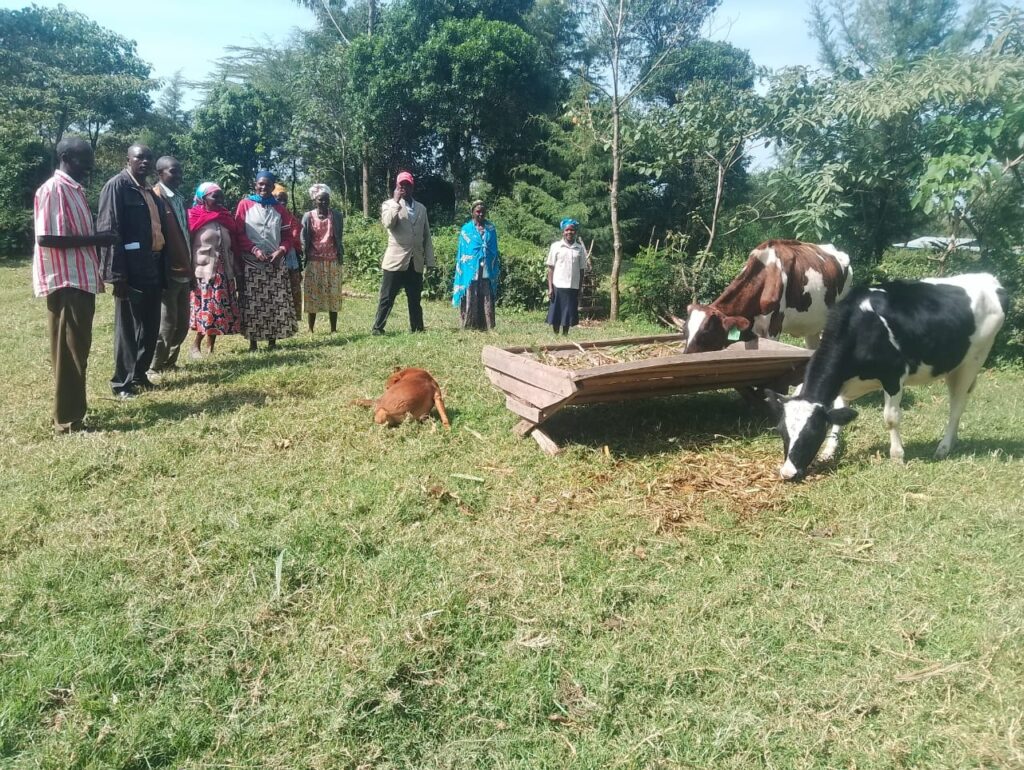
Study Groups
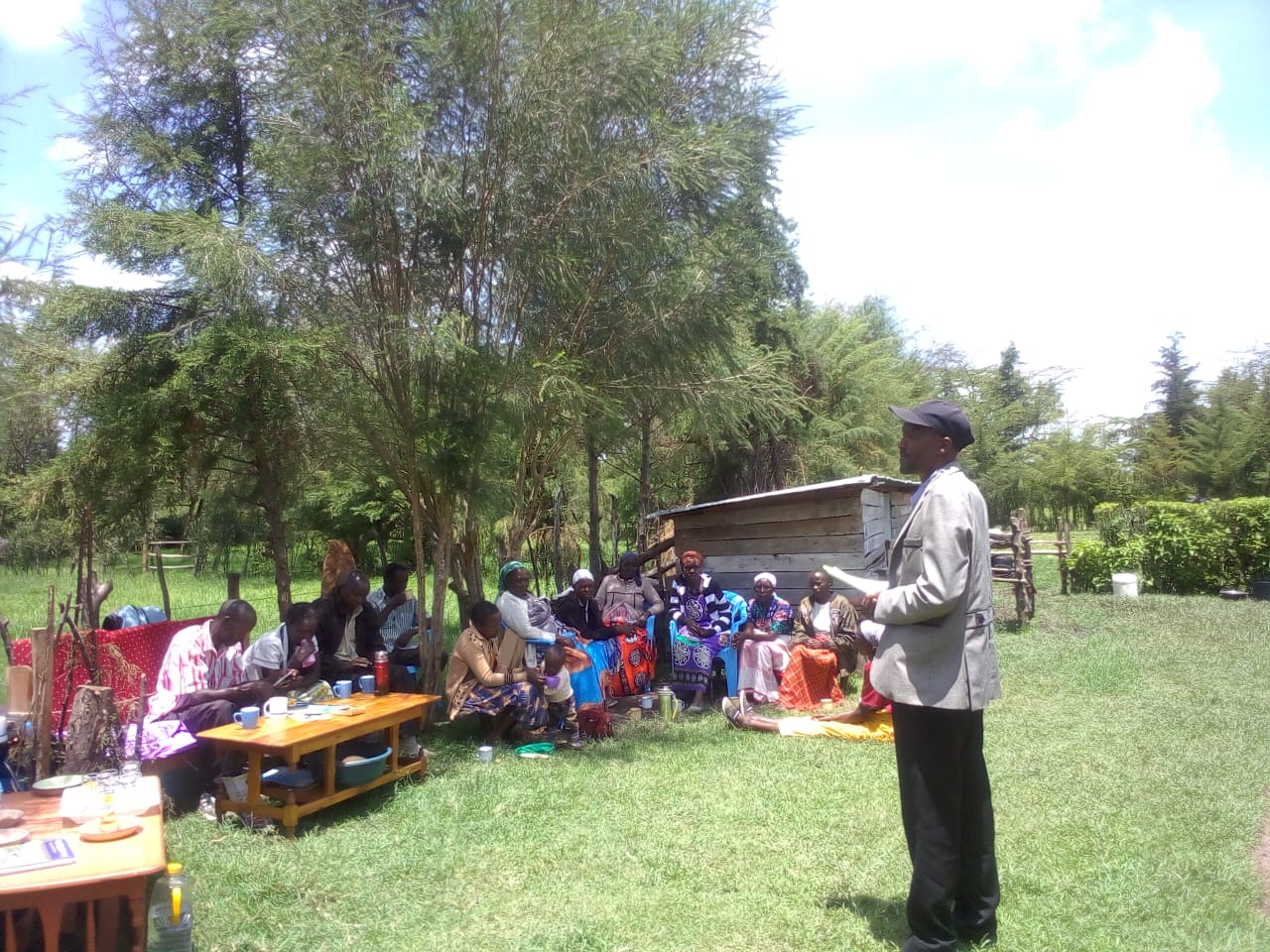
Study groups are important to share knowledge and solutions, improving techniques, productivity, and income for more resilient communities and rural development.
1. Enhanced Learning and Knowledge Sharing
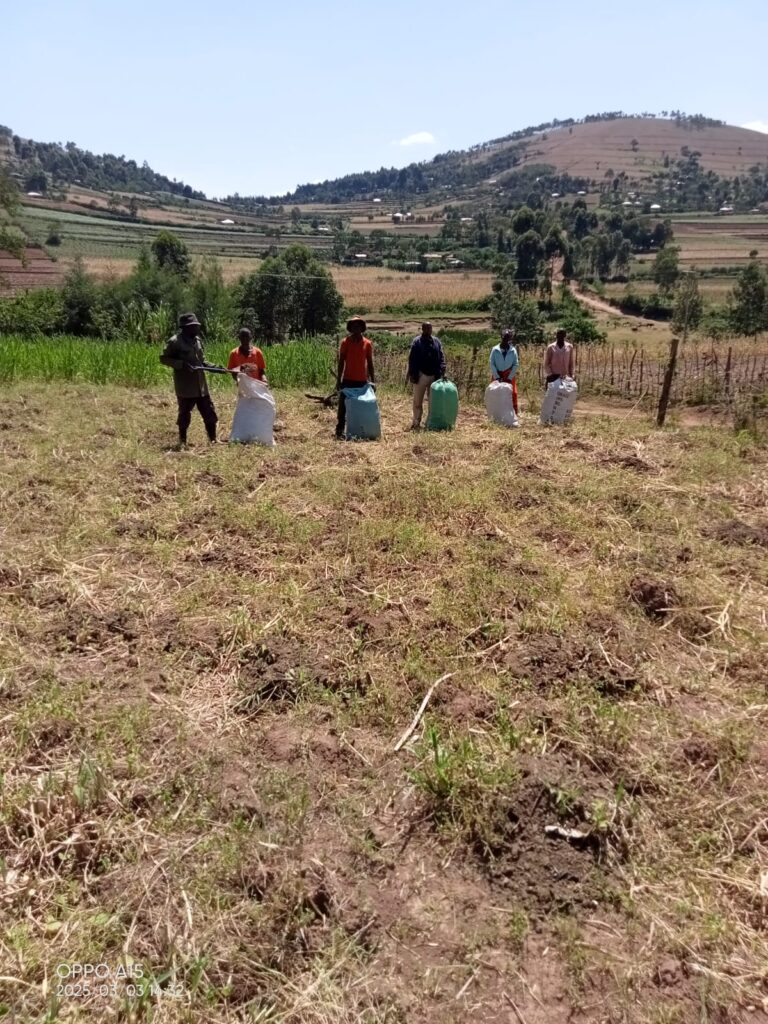
✅ Practical, hands-on learning: Study groups emphasize learning by doing. Farmers experiment with new techniques, technologies, (eg. silage making) and fodder varieties in their own fields, making learning more relevant and effective.
✅ Farmer-to-farmer exchange: Farmers learn from each other’s experiences, challenges, and successes. This peer-to-peer learning is highly valuable as it reinforces learning, builds trust and encourages adoption of new practices.
✅Local solutions to local problems: Study groups focus on addressing specific challenges faced by farmers in their own context. This ensures that the knowledge shared is directly applicable and relevant to their needs.
✅ Improved farming practices: By learning about better seed varieties, soil management, pasture management, young stock management, hygienic milk production, record keeping, breeding, feeding and nutrition, pest and disease control, dairynomics, water management, and other improved techniques, farmers can increase their yields and productivity.
✅ Access to new technologies: Study groups can serve as a platform for introducing and disseminating new agricultural technologies, such as improved crop or fodder varieties, silage making, biogas, machinery, and irrigation systems.
✅ Market access and diversification: Groups can collectively negotiate better prices for their produce, access new markets, and diversify their produce to reduce risks and increase income.
2. Increased Productivity and Income
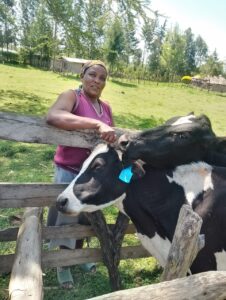
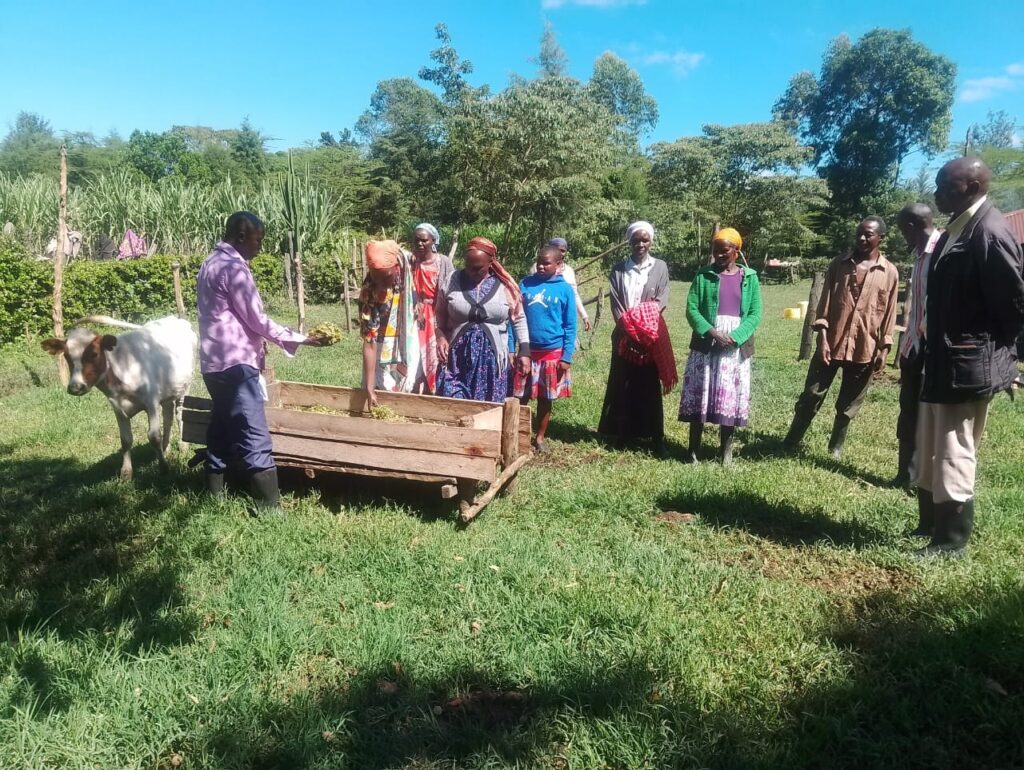
3. Empowerment and Social Cohesion
✅ Collective action: Study groups foster a sense of community and encourage collective action. Farmers can work together to address common challenges, such as milk collection, production costs, accessing credit, inputs, or markets.
✅ Increased confidence and decision-making power: Through participation in study groups, farmers gain knowledge and confidence, enabling them to make informed decisions about their farms and livelihoods.
✅ Social support and networking: Groups provide a platform for farmers to connect with each other, share experiences, and build social support networks. This is particularly important for marginalized farmers who may feel isolated.
✅ Environmental conservation: Study groups can promote sustainable farming practices, such as soil conservation, water
management, and integrated pest, disease and manure management, which help protect the environment and ensure
long-term agricultural productivity. Creating a good balance for People, Planet and Profit (PPP)
✅ Climate change adaptation: By learning about climate-resilient crops and farming techniques, farmers can better adapt to the challenges of climate change and ensure food security.
4. Sustainable Agriculture
5. Strengthening Extension Services
✅ Cost-effective outreach: Study groups provide an efficient way for service providers to reach a large number of farmers with information and training.
✅ Feedback mechanism: Groups can provide valuable feedback to the project and extension services on farmers’ needs and challenges, helping to improve the relevance and effectiveness of extension programs and project planning and management.
Empowering Farmers by Building Resilient Communities for Sustainable Rural Development.
Farmers study groups are important because they provide a platform for farmers to share knowledge, access new information about agricultural practices, discuss challenges affecting them, and collectively come up with simple solutions hence improving their farming techniques, ultimately leading to increased productivity, better market access, and enhanced income for individual farmers and the community as a whole.
The Study groups essentially act as a learning hub for rural development of these remote villages and adaptation to changing agricultural conditions.
These agricultural learning groups, are a powerful tool for agricultural development and empowerment that leads to improved livelihoods and more resilient communities.